A spectator when told me, after we finished a workplace first aid training, that the only reason he registered was since his supervisor insisted. Six weeks later on he made use of those abilities on his daddy, that collapsed at a household barbecue. The ambulance staff told him bluntly: starting CPR early probably conserved his daddy's brain.
He did not keep in mind every phrase or every slide. What he did bear in mind was how it really felt to stoop close to a manikin, lock his arm joints, and keep going up until help showed up. That muscle mass memory is exactly what a well run fast first aid course is created to build.
Fast, express, compressed, increased - the tags vary, and so does the high quality. If you want to go from no to licensed without losing time or money, it helps to understand what you are in fact getting when you look for a "fast first aid course near me".
This guide walks through the truths behind fast first aid and CPR training, what a good course must cover, and exactly how to pick an alternative that fits your timetable without reducing edges on safety.
What "fast" truly means in first aid training
Fast first aid training does not indicate careless or insufficient, at the very least not when it is done correctly. In technique, rate typically comes from two things: focusing securely on core abilities, and making use of blended distribution so you complete theory online and maintain classroom time for hands on work.
A reliable fast first aid course or fast cpr course is generally:
- Short in total hours compared with multi day typical courses, frequently 3 to 6 hours of contact time plus pre learning. Focused on one of the most common life endangering emergency situations, as opposed to every unusual situation in the textbook. Highly structured, with very little downtime, side babble, or repetitive content.
That compromise jobs well for lots of people. The first aid and cpr abilities that absolutely matter in the initial couple of minutes of an emergency situation are not complicated. Early CPR, early defibrillation, standard blood loss control, safe positioning, and calling for aid will certainly conserve much more lives than an excellent plaster on a sprained ankle.
Where rate becomes a trouble is when providers shave off the time needed to practice. You can enjoy CPR video clips throughout the day, yet till you in fact push on a chest and really feel exactly how deep and fast correct compressions are, you do not have the ability. Fast first aid courses that miss or hurry useful analysis typically create paper certificates, not capable responders.
When you assess express first aid courses or express cpr courses, always ask how much hands on time is included, not just the marketed duration.
Core abilities you should leave with
Whether you reserve an office first aid training, an express childcare first aid course, or a weekend break CPR refresher, the end results must feel surprisingly similar. The context and added topics may transform, yet the foundations remain constant.
By completion of a strong first aid and cpr course, you need to have the ability to:
Recognise an emergency rapidly. That appears evident, but I have watched grownups stand frozen by a collapsed coworker due to the fact that they were not sure if they were "overreacting." Fast courses utilize scenarios to train that very first mental step: this is not regular, I require to act.
Check responsiveness and breathing safely. You need to recognize how to come close to, exactly how to open up an air passage, and exactly how to decide whether breathing is typical or not. Many learners take too lightly how agonal gasps look and sound. Great cpr training always clarifies this.
Call for help successfully. Calling emergency solutions is not just pressing three numbers. In course we practice what to say, exactly how to define the area, and how to turn over to another person without chaos.
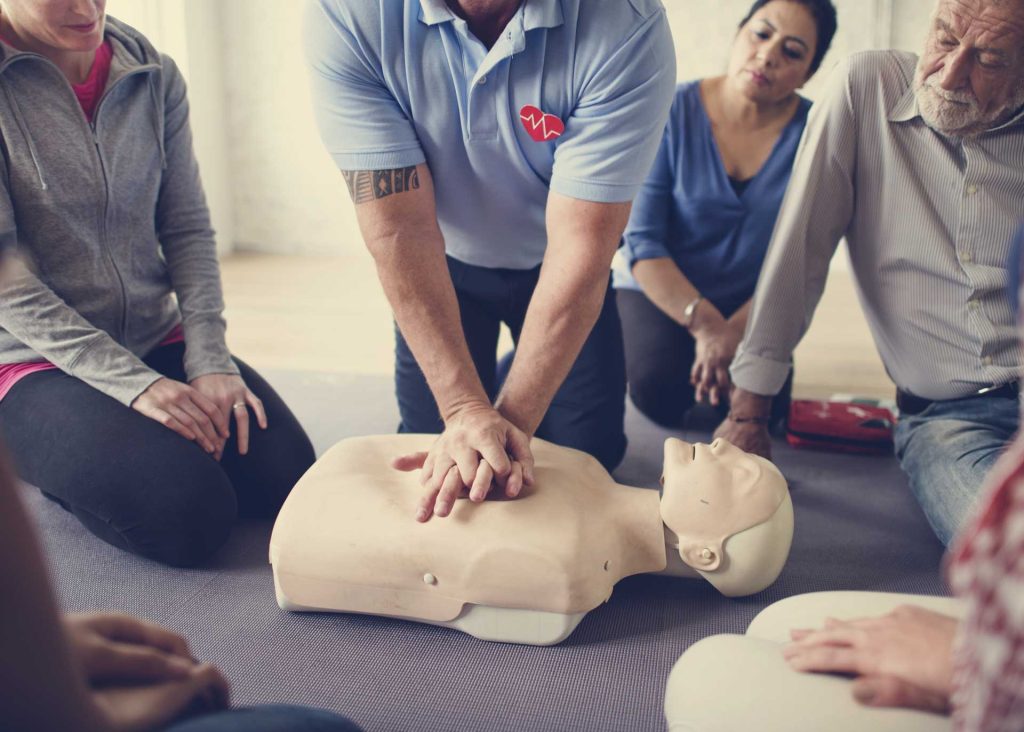
Start CPR with self-confidence. That consists of correct hand placement, compression deepness and price, secure ventilations if called for in your neighborhood protocol, and exactly how to exchange rescuers if there are 2 individuals. Fast cpr courses focus hard on this, commonly making use of feedback manikins that show whether your compressions are deep enough.
Use an AED readily. Modern defibrillators are exceptionally user friendly, yet individuals still worry about "doing it incorrect." An efficient first aid and cpr training class lets you open up an AED, area pads, adhere to motivates, and handle useful inquiries like breast hair or water.
Control life endangering blood loss. Straight pressure, fundamental dressings, and when to utilize a tourniquet or haemostatic dressing if those become part of your office kit.
Position and monitor a casualty. Recuperation position for a person who is breathing however less competent, sitting placements for breathing difficulty, and continuous checks up until help arrives.
On top of this, various first aid courses layer on topics such as choking, burns, cracks, allergic reactions, diabetic emergency situations, and seizures. Fast first aid course suppliers occasionally compress these right into circumstances rather than different lectures. The objective is still the exact same: you need to have the ability to make safe, basic decisions under stress.

Types of fast and express first aid courses
Once you begin browsing, the food selection of choices grows promptly. From a trainer's side, there are a couple of common patterns.
General fast first aid course
This is the classic brief, broad program that covers grown-up Logan first aid standard life support, bleeding, usual injuries, and straightforward health problem acknowledgment. It fits white-collar worker, volunteers, and anybody who desires a first aid certificate for general life rather than a particular work requirement.
Duration varies by country and certification, but a regular fast first aid training session runs for half a day personally, supported by 1 to 3 hours of on the internet pre learning.
CPR just and fast cpr refresher course
If your sole focus is resuscitation, seek targeted cpr courses or express cpr training. These fast cpr courses centre on:
- Adult CPR and AED for solitary rescuer Sometimes youngster and baby CPR, depending upon the program Special scenarios like sinking or injury if time allows
A fast cpr correspondence course is perfect if you already hold a certificate and intend to keep your abilities current. In numerous territories, CPR needs renewing every year for office or professional compliance. In method, I recommend a refresher a minimum of every 1 to 2 years for everybody. Method drifts, confidence fades, and standards do change.
Express child care first aid course
Parents, very early childhood years instructors, and college staff typically require more than adult CPR. Express child care first aid courses focus on:
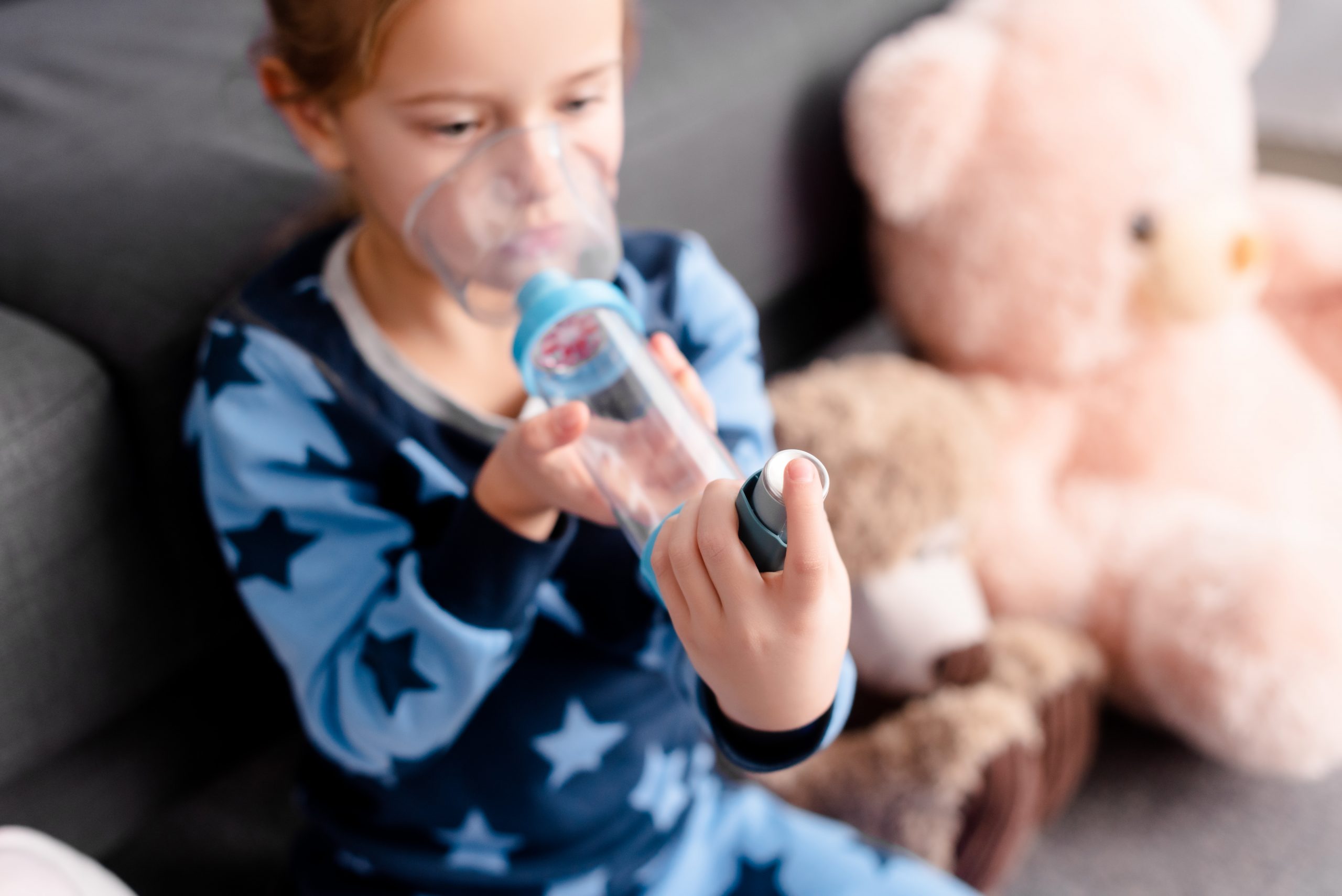
- Infant and kid CPR Choking administration for infants and children Fever, seizures, allergic reactions, and asthma Practical issues in child care settings, such as handling numerous children while responding
An express child care first aid training session may still be just one day, but the case studies and web content alter heavily toward pediatric circumstances. If you collaborate with kids, pick this over a common class. The emotional tons of treating a child is extremely various, and practicing on youngster and baby manikins matters.
Blended first aid and cpr course
Many providers currently combine online discovering with short, extensive useful workshops. You full video clips, tests, and theory modules in the house, after that participate in a fast first aid course face to face for analysis and hands on skills.
This style functions especially well for:
- Busy experts who can not pay for multiple days away from work. Learners who like to stop and rewind theory material. Organisations reserving group first aid and cpr training classes on limited schedules.
The key is sincerity. You should really finish the pre course components properly. Browsing them and intending to catch up in class rarely finishes well.
What a well created fast first aid training day looks like
Not all "express" timetables are equivalent. When I develop a fast first aid and cpr course, I work backwards from what students must do effectively before I authorize their first aid certificate, after that develop a tight timetable around that.
A typical face to face day for a blended or express first aid course might appear like this:
Short testimonial of pre understanding and vital concepts, including questions. Demonstration and technique of primary survey, CPR, and AED, turning via adult, child, and infant manikins if covered. Scenario based practice of typical emergency situations such as choking, hemorrhaging, and subconscious breathing casualties. Practical analysis and debrief, with time for private training and office certain questions.Notice how the focus sits squarely on doing, not paying attention. A well run express first aid training session really feels physically energetic, often somewhat exhausting. If you find on your own resting for lengthy stretches seeing slides, you are not in a fast course, you are in a sluggish lecture with a brief schedule.
first aid and cpr courseHow "from absolutely no to certified" actually works
People frequently fret that they have no baseline understanding. That is not a problem. In several means, students that involve first aid fresh, without half bore in mind misconceptions from decades previous, are simpler to teach.
The trip from no to accredited in a fast first aid or express cpr course normally plays out in 3 stages.
First, you create a mental map. During on the internet components or early in the class, you discover the structure: look for threat, check feedback, phone call for assistance, begin compressions, utilize an AED. You hear about the recuperation setting, serious bleeding, and choking. This is where mnemonics and easy flowcharts help.
Second, you layer in muscle memory. You kneel down, position your hands, press, and feel the resistance in the manikin's upper body. You practise rolling someone into recuperation position. You apply bandages, practice your words for an emergency phone call, and go through how you would certainly handle an unconscious associate in your real workplace.
Third, you verify you can put it together under light pressure. During evaluation, you respond to timed circumstances, commonly with a companion. You do not need to be perfect. You do require to be risk-free, sensibly positive, and able to comply with the core series without coaching.
That is the real factor of fast certification. The paper certificate or electronic badge just matters since it indicates that an assessor has actually viewed you get the job done to a clear standard.
Choosing the right fast first aid course provider
I have educated for big national organisations and little local groups. Size alone does not predict high quality. What issues more is exactly how seriously the company takes both conformity and learning.
Here is an easy checklist that aids when comparing fast first aid courses or express cpr courses.
- Accreditation: Are their first aid and cpr courses acknowledged by the authority or sector body appropriate to your task or nation? For office conformity, this is non negotiable. Instructor experience: Do they make use of fitness instructors with frontline or real life histories, such as paramedics, nurses, or experienced first aid instructors, and do they obtain continuous training themselves? Practical time: The number of hours are really hands on, with manikins and scenarios, instead of slides? If the solution is "a quick run through at the end," appearance elsewhere. Blended layout: If the course is short, do they provide purposeful pre knowing or online modules, or are they attempting to load whatever into a confined class block? Reviews and responsiveness: Do past participants state feeling confident after that, and does the organisation response inquiries clearly prior to you book?
When browsing online for a "fast first aid course near me" or "express first aid course," utilize this list as a filter. Marketing language can be glossy. Accreditation details and schedules are harder to fake.
How neighborhood rules and work environment needs alter the picture
Regulations around first aid course material, size, and revival frequency vary commonly. In some areas, a common complete first aid and cpr course is expected to be at least one complete day. In others, a 3 to 4 hour mixed course suffices if the company meets details assessment criteria.
Workplace duty shapes your option also. A couple of instances from technique:
A child care worker usually requires an express childcare first aid certificate that clearly covers pediatric CPR, bronchial asthma, and anaphylaxis, renewed every 1 to 3 years depending on regional law.
A building and construction site first aider may require an extra extensive fap first aid first aid course in Morphett Vale or similar program that covers crush injuries, ecological direct exposure, and trauma, also if supplied in a sped up format.
A fitness center teacher can frequently meet their commitments with a fast cpr course integrated with a brief general first aid component, as long as AED usage is included.
For local business, I typically advise a fast first aid training package supplied on website. The instructor can after that adjust circumstances to your actual atmosphere, clarify where to save the kit, and also assist make occurrence feedback strategies. The express nature of the course maintains downtime reduced for team, yet the contextualisation makes the discovering stick.
If you are scheduling on your own and uncertain what you really need, ask your company, licensing body, or sporting activities association for particular demands prior to signing up. Then match those versus course descriptions.
Online, blended, or classroom only: which is best?
Some students still favor a conventional, fully face to face first aid course. Others appreciate the adaptability of online concept. From a mentor perspective, each style has trade offs.
Purely online courses for first aid and cpr worry me, unless they are clearly badged as awareness only and do not declare full expertise. Without supervised technique, it is difficult to validate that you can execute safe, reliable compressions, or roll a casualty with back precautions.
Blended express first aid and cpr courses strike a far better balance. The online element can cover:
- Legal and moral considerations. Infection control and basic precautions. The scientific research behind CPR and defibrillation. Recognition of common clinical conditions.
Then the in person workshop focuses on manual skills and analysis. That structure is perfect for fast certification because you do not squander priceless classroom minutes checking out text on slides that you might have studied at home.
Classroom only fast first aid courses still belong, particularly where learners have limited internet accessibility or language barriers that are much better dealt with in person. To accomplish "fast" status legitimately, those classes usually tighten their range to core emergencies and skip less essential topics.
When deciding on, be honest regarding your very own discovering style. If you understand you will certainly rush or neglect on the internet components, a securely run one-on-one session might be a lot more effective, also if it takes slightly much longer on the day.
Keeping your abilities sharp after a fast course
First aid is perishable. I occasionally ask returning trainees, "When did you last practise CPR on a manikin?" One of the most usual answer is, "The last time I was below for training."
Guidelines normally suggest CPR refresher courses a minimum of yearly and full first aid refreshers every 2 to 3 years. Fast cpr correspondence course exist exactly as a result of this. They think you have a foundation and concentrate on shaking off corrosion, remedying poor routines, and upgrading you on any guideline changes.
Between formal courses, a few straightforward routines make a big distinction:
Read or enjoy one respectable first aid source every couple of months and psychologically rehearse what you would certainly do in your very own environment.
Locate and check the first aid set and AED anywhere you invest a lot of time: home, job, gym, college. You lose vital mins in a genuine emergency situation if nobody recognizes where the essential tools lives.
Talk with "suppose" situations with associates or family in a calm minute. Who calls for assistance, who fetches the AED, who satisfies the ambulance at the door.
Encourage your workplace or community group to run quick method drills. Five mins spent claiming a coworker has actually collapsed in the car park can expose a whole lot about access, communication, and confidence.
The entire point of an express first aid course or express cpr course is to reduce the barrier to entrance. It gets you began. Receiving that competence still takes calculated technique, also if it is informal.
When a fast course is not enough
Most of the moment, fast first aid courses are exactly what individuals require. Yet there are circumstances where you should buy much deeper training.
Remote atmospheres are a traditional instance. If you function or take a trip in areas where a rescue might be an hour away, a compressed city concentrated first aid training is not sufficient. You require broadened skills in long term treatment, ecological administration, and improvisation.
High danger industries such as mining, hefty manufacturing, and particular sports may require extensive fap first aid or advanced first aid components that include oxygen treatment, spine administration, and complicated trauma care. These are tough to compress safely.
People in leadership functions, such as institution principals or event organisers, typically take advantage of extra web content on emergency preparation, communication with families, and post incident support. That rests beyond the range of many express first aid training sessions.
Think of fast certification as a solid standard, not the ceiling. If your obligations or atmosphere lug higher risks, deal with the compressed course as the initial sounded on a longer ladder.
The real value of getting certified quickly
When somebody asks me whether an express first aid course is "worth it," I reflect to a specific evening course. A participant, a young retail worker, ended up a fast cpr course visibly not sure if she had done well. Her compressions were technically audio, however her self self-confidence was low.
A few months later on she emailed our office. A client had collapsed outside the store. She started CPR while an associate called for assistance and made use of the shopping center AED when security brought it. The guy endured to healthcare facility discharge.
Her message was brief and unfinished. The part that stuck with me was, "I just did what we practiced in class."
That is what you are buying when you purchase fast first aid and cpr training classes. Not a piece of paper for your human resources file, not a tick box on a compliance checklist, but the ability to act in those very first chaotic minutes when someone's life tilts on a few simple actions.
A meticulously structured fast first aid course, whether general, childcare concentrated, or a pure cpr training component, lets you reach that factor without losing days of your time or wading through pointless material. As long as you choose a reputable provider, dedicate effectively to the process, and revitalize your abilities regularly, "from no to licensed" can be both reliable and truly life changing.